Fast, reliable, & efficient Disaster Response.
A real-time, multimodal solution linking disaster victims and first responders from NDRF: streamlining support to the most vulnerable.

A real-time, multimodal solution linking disaster victims and first responders from NDRF: streamlining support to the most vulnerable.


Scraping the bulk of data from affected people and eyewitnesses is a vital first step – text, timestamp, profile location, and media links. Implemented using the Twitter API.
Try DemoDiscarding irrelevant text based on keywords used in unrelated contexts, and categorizing the resources that need to be allocated.
See Demo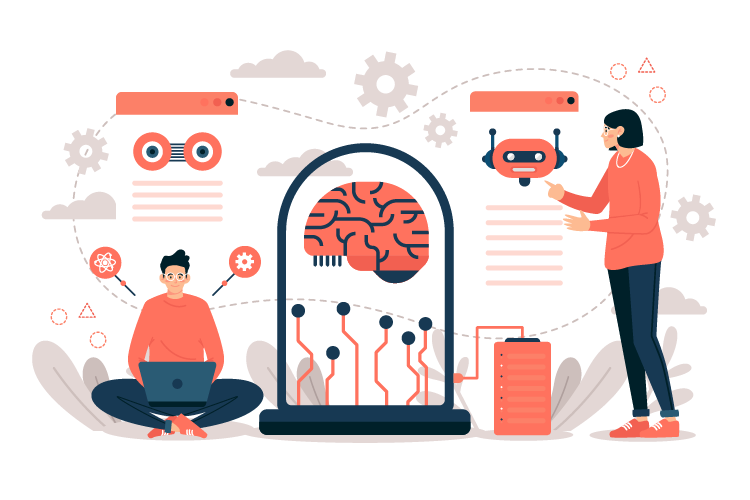
Deep Neural Networks are used to extract information from images. The Relevance, Type of Damage and the Severity is identified.
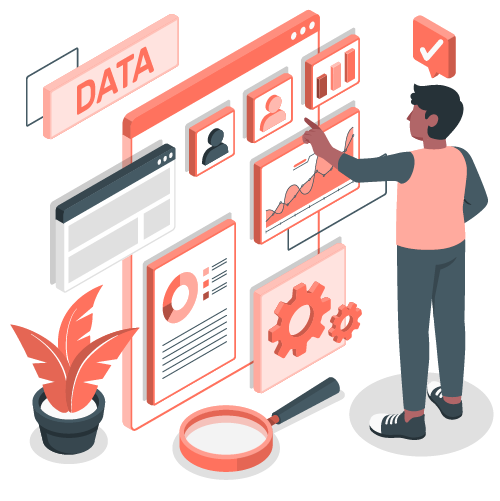
How it WorksWe present statistics as simple visualisations at a glance to summarise the extracted information and resource allocation needed.
Dashboard
Since we will be dealing with huge amounts of data, we use multiple Apache frameworks to collect and perform computations efficiently.